

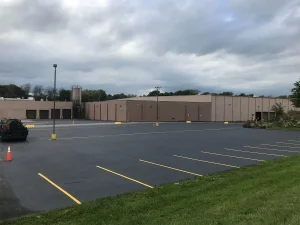
A well-maintained parking lot isn’t just about professional appearance—it’s about safety, liability, and long-term cost savings. In a city like Pittsburgh, where freeze-thaw cycles, steep grades, and heavy traffic from both residents and delivery vehicles can wreak havoc on asphalt, choosing the right maintenance plan is essential for any business.
At M&D Paving and Sealcoating Inc., we know that a one-size-fits-all approach just doesn’t work here. That’s why we help business owners create strategic maintenance plans tailored to their property, budget, and the realities of Western Pennsylvania weather.
Key Takeaways
- A proper maintenance plan depends on local weather, lot condition, traffic load, and challenges unique to Pittsburgh properties.
- Freeze-thaw cycles, poor drainage, and nearby hazards can break down asphalt quickly if not addressed with regular care.
- Every parking lot needs a plan that fits seasonal timing, usage patterns, material needs, and available business budget.
- Ongoing inspections and phased repairs help Pittsburgh businesses stay ahead of damage while keeping lots safe and presentable.
How to Evaluate the Right Parking Lot Maintenance Plan for Pittsburgh Businesses
Every Pittsburgh lot takes a beating in its own way. That’s why the first step in building a smart maintenance plan is knowing what you’re working with. Here’s how we break it down—based on what really matters for your part of the city.
Understand How Local Weather Impacts Your Asphalt
Pittsburgh’s freeze-thaw cycle is one of the most damaging elements to asphalt. Between December and March, moisture seeps into surface cracks, freezes overnight, and expands—widening cracks and weakening the pavement structure.
If your lot is located in elevated areas like Mt. Washington or Squirrel Hill, wind chill and snow accumulation can accelerate deterioration.
Choosing a maintenance plan that includes timely crack sealing and early spring inspections can prevent small issues from becoming major liabilities.
Assess Your Lot’s Traffic Volume and Vehicle Types
Not every parking lot in Pittsburgh sees the same type of wear. A bakery on Penn Avenue in Bloomfield might experience daily turnover from passenger cars, while a warehouse in the Strip District might see heavy truck traffic.
The type and frequency of vehicles using your lot will influence how often you’ll need resurfacing, re-striping, or base repairs. We tailor plans to your traffic flow patterns to keep your lot functioning safely and efficiently.
Consider Drainage and Grading Challenges
With Pittsburgh’s hilly terrain, poor drainage is a common problem—especially in neighborhoods like Greenfield and Carrick, where sloped lots are the norm. Water pooling can lead to premature potholes and asphalt breakdown.
A strong maintenance plan should address both existing drainage problems and preventative care, like sealcoating and grading checks, to extend the life of your surface.
Review the Current Surface Condition and Age
The current state of your lot will determine where to start.
If your parking lot hasn’t been touched since before the last time the Pirates made the playoffs, you may need more than just sealcoating.
Lots with alligator cracking or deep potholes—common in older commercial areas like East Liberty—may benefit from a phased plan that starts with asphalt repairs before transitioning to routine maintenance.
Take Into Account Nearby Hazards Like Tree Roots and Salt Exposure
In areas like Highland Park or near Frick Park, tree roots can push through asphalt and create dangerous trip hazards. On the other hand, lots near busy intersections or hills, like those in South Side Slopes or Oakland, are regularly exposed to road salt and plowing—both of which accelerate surface damage.
Factoring in these localized threats allows us to adjust your maintenance plan accordingly, such as scheduling earlier spring inspections or using salt-resistant coatings.
How to Build a Maintenance Plan that Fits Your Property and Budget
After we’ve assessed what your lot needs, the next move is building a plan that works for your property and your budget. Here’s how we customize every step to fit Pittsburgh conditions without overspending or over-servicing.
Prioritize Services Based on Seasonality and Urgency
Pittsburgh’s seasonal extremes mean timing is everything. We typically recommend scheduling sealcoating and crack filling in late spring or early fall—when temperatures are ideal and before winter damage sets in.
For clients in areas like North Shore or Downtown, where lots see year-round use, we can stagger maintenance to avoid disrupting foot traffic and customer flow while still tackling priority repairs during the off-season.
Phase Out Larger Repairs to Spread Out Costs
If your lot in Brookline or Dormont needs major rehab but your budget doesn’t allow for a full resurface, we can break the work into manageable phases.
Starting with the most critical areas—like entryways, loading zones, or ADA-accessible spaces—we gradually bring the lot up to standard over a set timeline. This keeps your property safe and professional without overwhelming your finances all at once.
Customize Service Frequency Based on Usage Patterns
We don’t treat a quiet office park the same as a high-traffic gas station near McKnight Road. By evaluating your lot’s usage throughout the week and time of day, we determine how often you need touch-ups, cleaning, re-striping, and inspections.
Properties with night traffic, like bars or medical clinics, might need more frequent line painting and lighting checks to maintain visibility and safety.
Choose the Right Materials for Pittsburgh Conditions
From polymer-modified sealers that resist salt damage to cold patch materials for quick pothole fixes during the winter months, using the right products makes a big difference in how long your repairs last.
We often recommend materials rated for heavy freeze-thaw durability and suggest different solutions based on your location—whether you’re in a flat, shaded lot in Beechview or on a busy, sun-exposed stretch of Route 19.
Schedule Regular Inspections to Catch Problems Early
Preventive care always beats emergency fixes. We build inspection schedules into our maintenance plans so you can stay ahead of developing issues—especially in flood-prone spots like the Strip District or steep areas of Mt. Oliver.
Regular walk-throughs help us catch edge cracks, drainage failures, or early signs of base damage before they impact your operations or turn into costly liability risks.
Keep Your Lot Safe and Looking Sharp All Year
At M&D Paving and Sealcoating Inc., we create parking lot maintenance plans designed specifically for Pittsburgh’s climate, terrain, and business needs. From seasonal crack sealing in Shaler Township to phased resurfacing in East Pittsburgh, we’ll help you build a plan that protects your investment and keeps your lot safe, clean, and professional year-round.
Let’s build a plan that works for your property and your budget.
Call us today to schedule a site visit or request a quote.
Frequently Asked Questions
How often should line striping be refreshed in high-traffic areas?
Line striping in high-traffic Pittsburgh lots should be refreshed every 12 to 18 months to maintain safety, ADA compliance, and a clean, professional appearance for customers and visitors.
Can maintenance be scheduled outside regular business hours?
Yes, we offer after-hours and weekend service options to reduce business interruptions, especially for retail centers, clinics, and restaurants with steady daytime or evening foot traffic.
What permits are required for commercial lot resurfacing in Pittsburgh?
Commercial resurfacing projects often require permits through the City of Pittsburgh or PennDOT. We handle permit coordination to keep your project on track and fully compliant.
Do you offer snow removal services as part of lot maintenance plans?
We offer snow plowing, salting, and de-icing as part of winter maintenance plans for properties needing year-round access in hillsides and high-snow areas like Mt. Washington and Banksville.


