

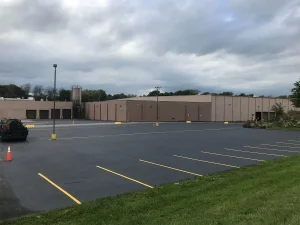
 If you’ve just completed a new commercial parking lot in Pittsburgh, you might be wondering how soon you can apply a sealcoat. Sealcoating plays a critical role in preserving your investment, especially in our region’s freeze-thaw climate. But timing matters. Seal too early, and you risk trapping in moisture or interfering with the curing of fresh asphalt.
Wait too long, and that new surface could start deteriorating faster than expected.
Whether you’re managing a busy business district lot in Bloomfield or overseeing new construction off McKnight Road, knowing when and how to sealcoat can save you thousands in long-term maintenance.
Key Takeaways
- New asphalt in Pittsburgh should not be sealcoated right away unless specific local conditions make it safe.
- Early sealcoating may work when traffic is heavy, the weather is warm, grading is good, or winter is coming.
- Regular checks for moisture, wear, and curing are key during the first few months after installation.
- A local sealcoating plan with proper timing and reapplication every few years protects your lot long term.
When to Sealcoat a New Construction Parking Lot in Pittsburgh
New construction lot needs time to cure before it’s ready for sealcoating. But there are exceptions based on local conditions, traffic patterns, and material types.
Here’s when sealcoating a new parking lot might be the right move here in Pittsburgh.
When the Lot Uses High-Traffic Commercial Asphalt Mixes
Some commercial lots in Pittsburgh, especially those near bustling corridors like Forbes Avenue or the South Side Works, are paved using asphalt mixes designed for heavier, more frequent traffic. These high-performance mixes tend to cure faster and are more resistant to surface damage.
If your new lot was built with one of these commercial-grade mixes, it may be safe to sealcoat as early as 60 days after installation—provided the surface has fully oxidized and shows no visible signs of surface oils or tackiness.
We’ve seen this apply often in places like Station Square or East Liberty, where commercial lots can’t afford downtime and need early protection.
When the Asphalt Was Installed in Late Spring or Early Summer
Timing is everything in Pittsburgh, especially when you factor in our unpredictable weather.
If your lot was paved in late spring or early summer—think May through early July—you’ll likely have the ideal conditions to sealcoat before fall hits. Warm, dry days help the asphalt cure faster and allow the sealcoat to properly adhere.
For businesses in neighborhoods like Green Tree or Squirrel Hill, getting that first coat down before the humidity and rain of late summer can prevent early-season wear from damaging UV exposure and light vehicle use.
When Drainage and Grading Are Already Optimized
In areas like Mount Washington or the slopes near Beechview, poor drainage can cause early failure of both asphalt and sealcoating. However, if your new lot was designed with proper grading and stormwater controls—think inlets, swales, or permeable edges—it’s far safer to sealcoat earlier.
We’ve worked on several projects near Allegheny River Boulevard and the Strip District, where proactive grading allowed us to sealcoat sooner without the usual risk of water intrusion, which is a major issue in Pittsburgh’s flood-prone zones.
When You’re Preparing for Pittsburgh’s Harsh Winter Season
If your parking lot was completed in late summer or early fall, and winter is just around the corner, it may be worth accelerating your sealcoating timeline. In areas like Highland Park or North Hills, freeze-thaw cycles start early and hit hard.
A fresh layer of sealcoat can offer temporary protection from snow, salt, and plowing equipment, even if it’s applied a bit earlier than usual.
While this isn’t ideal in every case, a strategic early sealcoat—paired with proper drying conditions—can prevent first-year damage when the alternative is letting your new surface face winter unprotected.
How to Plan the Right Sealcoating Schedule for Long-Term Lot Protection
Even if you don’t sealcoat right away, it’s critical to have a long-term plan for protecting your asphalt investment. The climate, traffic, and surface conditions unique to Pittsburgh require a tailored approach.
Schedule a Moisture and Cure Check Within 60 to 90 Days
Before making any decisions, we always recommend a moisture and cure assessment around the two- to three-month mark.
In Pittsburgh neighborhoods like Lawrenceville or Point Breeze, where asphalt can be affected by shade from nearby structures or trees, full curing might take longer. Our team checks for surface oxidation, remaining oils, and the texture of the asphalt to determine sealcoating readiness.
Without this step, you risk either wasting your investment or damaging your lot by sealing too soon.
Monitor Surface Conditions Through the First Seasonal Cycle
Your new lot’s first exposure to Pittsburgh’s seasonal changes—from humid summers to icy winters—is a critical testing period. In areas with heavy seasonal traffic, like near the UPMC hospitals in Oakland or around the Monroeville Mall, this means watching for early wear, tire marks, or minor cracking.
If surface defects begin to show, it may be time to schedule sealcoating earlier than the standard one-year mark. We also assess how well the lot drains after storms, which can be frequent in early fall.
Coordinate with Local Weather Patterns for Application Timing
Sealcoating needs a minimum of 24–48 hours of dry, warm weather to cure properly—something not always guaranteed in Pittsburgh’s fluctuating climate. We often advise clients to plan their first application during Pittsburgh’s predictable dry windows, typically in late spring or early fall.
For example, lots in the East End or around Robinson Township often benefit from scheduling in May or September to avoid mid-summer storms and early frosts.
Good timing ensures the sealcoat sets properly and lasts longer.
Budget for Reapplication Every 2–3 Years Based on Use
Once your initial sealcoat is down, plan on reapplying every two to three years—though this depends on your lot’s use and exposure. Heavily used lots in the Strip District or near Heinz Field will likely require more frequent maintenance than quieter lots in Dormont or Swissvale.
We build custom maintenance schedules based on your traffic volume, surface condition, and exposure to environmental factors like plowing and de-icing salts.
Protect Your New Asphalt from Day One
At M&D Paving and Sealcoating Inc., we help businesses throughout Allegheny County protect their parking lots from day one. Whether your property is off Carson Street, near the Pittsburgh Zoo, or in a busy strip mall in Cranberry, we’ll inspect your new surface and recommend the right sealcoating schedule based on real-world Pittsburgh conditions.
Need help protecting your new parking lot?
Contact us today to schedule a professional asphalt inspection. We’ll evaluate your surface condition, curing stage, and exposure to local climate factors so you get maximum lifespan from your investment.
Frequently Asked Questions
How can I tell if my sealcoating was applied correctly?
A good sealcoating job looks smooth, dark, and even across the surface. At M&D Paving and Sealcoating Inc., we check for proper curing, full coverage, and edge detail after every application.
Does sealcoating help prevent oil and chemical damage in parking lots?
Yes, sealcoating adds a protective layer that resists oil, gas, and de-icers. We recommend routine maintenance and reapplication to keep surfaces in high-traffic Pittsburgh lots looking clean and damage-free over time.
Can parking lot striping be done right after sealcoating?
No, striping should only be done once the sealcoat is fully dry. We offer both services and schedule striping after the sealcoat cures properly, usually within 24 to 48 hours.
Will sealcoating repair existing cracks or potholes in my asphalt?
Sealcoating will not fix damage like cracks or potholes. At M&D Paving and Sealcoating Inc., we offer asphalt patching and crack filling before sealing for complete surface protection.


